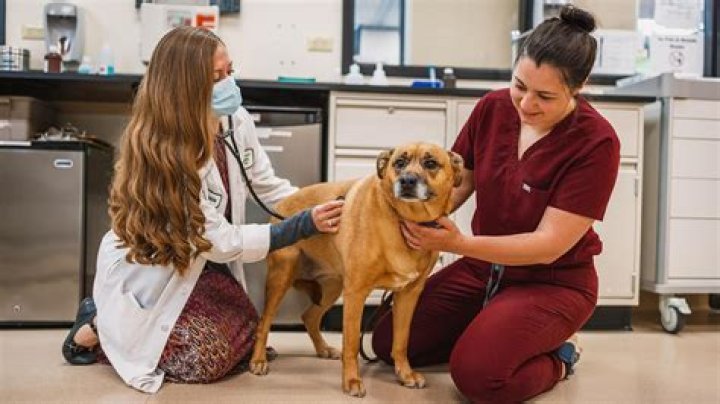
The University of Nevada, Reno offers a pre-professional program in Veterinary Science through the Department of Agriculture, Nutrition & Veterinary Sciences.
Does Las Vegas have a veterinary school?
The College of Southern Nevada-Charleston Campus, in Las Vegas, offers an associate of applied science (AAS) degree in veterinary nursing. … The Pima Medical Institute, in Las Vegas, also offers an associate of applied science (AAS) degree in veterinary technology.
What college should a vet go to?
NAME/RANKPEER ASSESSMENT SCOREUniversity of California–Davis Davis, CA #1 in Veterinary Medicine Save4.7Cornell University Ithaca, NY #2 in Veterinary Medicine Save4.4Colorado State University Fort Collins, CO #3 in Veterinary Medicine Save4.2
How do I become a veterinarian in Nevada?
The VTIT registrant must be a fourth-year student enrolled in a 4-year program or a second-year student enrolled in a 2-year program that is accredited by the AVMA. Additionally, a VTIT can be registered if he/she has completed a Bachelor of Science in an animal science related field.How hard is it to get into veterinary school?
Vet school is very competitive! Last year, there were more than twice as many applicants as admissions places available. So you want to start early doing everything you can to set yourself apart and improve your chances of getting into vet school.
Does CSN have a vet tech program?
Upon successful completion of the Veterinary Technology program and graduation from CSN, graduates will be able to apply and sit for the VTNE (national licensure exam) and state examinations as required.
How long is vet tech school in Nevada?
A veterinary technologist attends school on average of four years and is graduated with a B. S. in Veterinary Technology. A veterinary technician attends school on average of two years and is graduated with an Associate’s Degree in Veterinary Technology.
How much do vets get paid?
But a vet’s median full-time annual income of $84,240 is low compared to a dentist ($153,608) or a general practitioner ($144,456), which means it takes longer to pay off their student debt. Vets still earn $18,200 more than a typical full-time worker and for Dr Broderick, “money is not everything”.What is the study of veterinary?
Veterinary science deals with the health and wellbeing of animals. … Modules include anatomy, animal behaviour, animal husbandry, cell biology, nutrition, physiology, genetics, epidemiology, pharmacology, infectious diseases, pathology, parasitology and public health.
Does Penn State have a vet school?Penn State Veterinary and Biomedical Sciences is hands-on, science-heavy preparation for veterinary school. Grads thrive at top veterinary, medical, and other biomedical programs, and work, teach, and conduct biomedical research.
Article first time published onWhat vet school has the highest acceptance rate?
Texas A&M. Texas A&M is hands-down the easiest vet school to get into. It has a very high acceptance rate of 27%, which is explained by the low number of applicants it gets.
Is vet school harder than med school?
Though aspiring med students have to take the MCAT before applying to medical school, most people agree that vet school is harder than medical school. Vet school isn’t harder because it requires more strenuous work.
How can I increase my chances of getting into vet school?
- Aim for academic excellence. …
- Gain as much animal and veterinary experience as you can. …
- Consider participating in research. …
- Work closely with a pre-vet advisor. …
- Write a thoughtful essay. …
- Secure glowing letters of recommendation. …
- Let your personality show through.
Do you have to take the MCAT for vet school?
Standardized Tests The Graduate Record Examination (GRE) is required by most veterinary schools, and some also require the Biology GRE. The Medical College Admission Test (MCAT) is also accepted by some schools in place of the GRE. Find out where you can take the exam and what preparation you need to succeed.
How do I become a vet tech in Nevada?
Requirements for Veterinary Technicians First, applicants must complete an approved course of study, which may include an AVMA-accredited veterinary technician program, an approved program of accelerated study or a bachelor’s degree in a field related to animal science that has been approved by the Board.
What is the difference between a vet tech and a vet nurse?
The word “technician” implies an individual who has mastered veterinary science and technology, while “nurse” incorporates caring for animal patients into the description.
How much do vet nurses earn?
As in the animal care industry more generally, it’s not particularly high-paying work, especially when you’re just starting out. Entry-level veterinary nurse jobs pay around $39,000, or $19/hr. People in this career are in it for the love — not the money.
What does a vet technician do?
Veterinary technologists and technicians are responsible for the careful and humane handling of laboratory animals. Veterinary technologists and technicians, supervised by licensed veterinarians, do medical tests that help diagnose animals’ injuries and illnesses.
What is veterinary nursing?
Veterinary Nurses are the ‘nurse practitioners’ of the animal health care industry. They assist with day-to-day functions in animal clinics, research facilities, zoos, and wildlife facilities and, working under the supervision of a licensed Vet, provide support for all aspects of animal care.
How do I become a veterinary nurse in Ireland?
All students must pass a veterinary nursing skills exam to graduate and register as a veterinary nurse in Ireland. This exam is held in year four of the course.
How long does it take to become a vet?
Aspiring vets can expect to devote about eight years to their higher education if they spend four years in college and four years in vet school earning a doctor of veterinary medicine, or D.V.M., degree.
What qualifications do I need to become a vet?
You’ll need to complete a veterinary degree approved by the Royal College of Veterinary Surgeons (RCVS). Full-time veterinary degrees usually take 5 years. If you already have a degree in a related subject, you may be able to take a 4-year graduate entry veterinary degree course.
Is veterinary a good career?
Veterinary is a great job and has a great career. We have compiled all information on the Veterinary field regarding the educational qualifications, salary, job profile, and future scope.
Do vets get paid a lot?
Companion animal practice vets generally earn the most, at an average of $110,000 a year. Mixed animal vets are generalists and earn an average annual income of $100,000 a year.
How much do vets make if they own their own practice?
We also know from industry standards that the average owner of a veterinary practice earns approximately $282,000 per year. Therefore, it is clear that the average owner makes approximately $200,000 more than the average associate.
What is the highest paying job?
RankOccupation2020 Median wagesAnnual1Anesthesiologists$100.00+2General Internal Medicine Physicians$100.00+3Obstetricians and Gynecologists$100.00+
Which Penn State campus has pre Vet program?
Pre-Veterinary at Behrend | Penn State Behrend.
Does Penn State have a good vet program?
Penn State has an excellent reputation among veterinary colleges, and our students routinely report that they are better prepared than many of their classmates, both academically and in the practical application of their knowledge to veterinary medicine.
What college has the best pre Vet program?
- University of Maryland–College Park. …
- University of Massachusetts–Amherst. …
- University of Illinois at Urbana–Champaign. …
- University of Arizona. …
- University of Southern Maine. …
- Tarleton State University. …
- Pennsylvania State University–Main Campus. …
- Ball State University.
Do you need a bachelors to go to vet school?
Is a Bachelor’s degree required for admission? Most veterinary colleges do not require that a Bachelor’s degree be completed for admissions although most accepted applicants have a Bachelor’s degree or an advanced degree (Master’s or Ph. D.)
Why is there a veterinary shortage?
The demand for veterinary services keeps growing, he says, especially since COVID-19 hit, fueling the so-called “pandemic puppy boom.” Yet at the same time, clinics like his across the country are having trouble attracting and keeping staff, and COVID precautions have complicated workflows.